
It could make engineering much simpler if all the water flowed at the same rate.
It’s not.
The amount of water that is pumped into a home’s water system can change throughout the day. Commercial and industrial facilities may be experiencing operating peaks. Stormwater conditions can alter dramatically in response to weather conditions. The demand for clean water is also different dependent on the purpose for which it is used.
As a result, designing an efficient pump station isn’t just it’s a matter of finding a flow quantity and deciding on equipment capable of meeting it. Engineers must be aware of the range of conditions the system is likely to face.
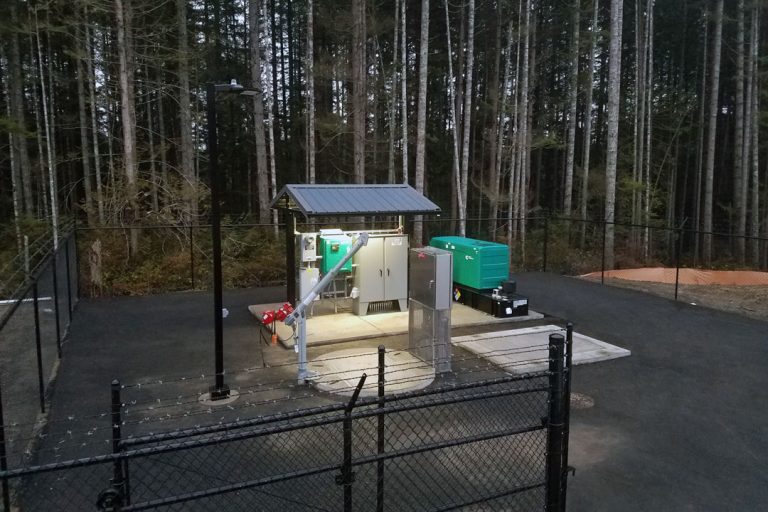
Image credit: romtecutilities.com
Examine the Operating Conditions and not only the maximum Capacity
The maximum flow is important, but this is only part of the station’s operation. Imagine a wastewater system that was designed for a high flow rate. The majority of the time, incoming flow may be significantly less. The station is still required to function properly during these normal timeframes.
It brings up issues like the sizing and size of the pump, control the head’s condition, the best way to modify equipment when the demand for it changes.
A properly designed package pumping system brings these considerations together around the actual requirements of the site instead of considering the maximum capacity of the pump as the main design objective.
The Everyday Routine of Wastewater
A wastewater lift station serving homes, businesses, or municipal infrastructure may experience changing influent conditions throughout its operating cycle.
The station’s control strategy determines how the system takes in wastewater and runs its pumps. The dimensions of the structural components, pumping equipment and piping as well as electrical parts and controls all play a part in this process.
Design may also take into account other considerations for the specific site. Romtec Utilities can incorporate auxiliary systems such as grinder vaults and odor-control equipment as required by the specific application. It is more cost-effective to create a station around a specific project than to apply a generic configuration for every wastewater site.
Stormwater Can Change Much Faster
Stormwater has a distinct type of operating situation. A stormwater station may be quiet during dry weather, but receive a huge flow of water following a severe weather incident. The station may be part of an overall flood-control strategy or even a detention, treatment or drainage plan.
When developing these systems, Romtec Utilities considers a variety of factors, including the flow rate required, head condition, dimension of the system, the needs of the site and environmental concerns.
Stations that serve commercial developments could appear different than those designed for municipal stormwater use.
Both head conditions and flow are important
Moving 1,000 gallons of water is only part of the engineering issue. Engineers must be aware of the direction that water will flow and the amount of resistance it will encounter.
Changes in elevation, piping configuration discharge conditions, and other system parameters affect the head conditions that pumps work.
The relation between flow rate and head is the reason that deciding on a motor solely on its capacity rating is not enough. The design and technology of the pump must meet the hydraulic demands of the particular application.
Create the station to meet the conditions it is likely to encounter
Romtec Utilities designs and develops customized pumping systems to address the needs of wastewater stormwater management as well as industrial applications, boosters, and much more. The process may include initial design and budgeting as well as complete plans sets and system supplies, documentation as well as startup, testing and commissioning.
The idea behind the design is simple: pumping systems do not spend their entire lives working under the same set of conditions.
They face changing flows, changing requirements, and project-specific hydro requirements. It is vital to design a station that can handle this reality.