
Two public restrooms. Imagine two restrooms that are public. The other is near a trailhead that is remote, which is surrounded by vast open spaces.
They both provide the exact identical essential service. But, if you create them in identical structures, they would not perform in the same way.
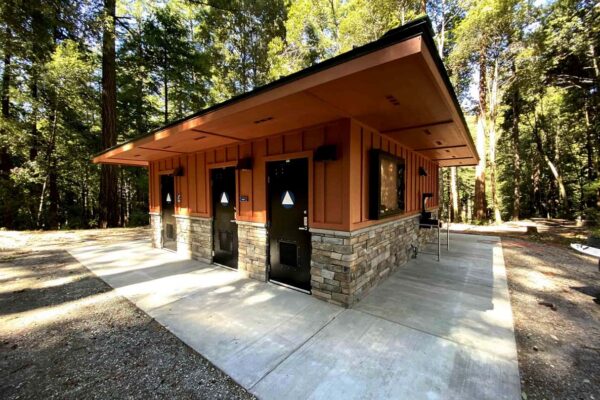
Image credit: romtec.com
It is essential to choose the right site for constructing high-quality public restrooms. Who is going to use it? What is the maximum number of people allowed to arrive simultaneously? What is the best way to get utilities? How far can visitors expect to be able to walk? What architectural style surrounds the structure?
How you answer these questions will influence most of the subsequent decisions.
Begin by determining how users move through the Site
The location of restrooms should not be considered separately from the rest a park. In a sporting complex, large crowds may congregate around events and games. The location of the restroom near a playground must be suitable for families but also secure and accessible for pedestrians. In a downtown area it is possible to fit sidewalk restrooms into less space while also enhancing adjacent streetscape elements.
The building is only one aspect of the experience. Location is affected by surroundings, accessibility, pathways, and activities.
Remote sites create a different Problem
Now move the project away from the paved streets and utility infrastructure. The sewer system of the conventional type may not be available at a scenic overlook or in a remote recreation zone or campgrounds. or in other places. In appropriate applications, vault toilets provide an alternative that allows restroom facilities to serve locations where traditional plumbing infrastructure may be difficult or impractical.
The design debate is now different. Instead of deciding on a specific building the project team should look at the existing conditions on the site to determine which bathroom system is best for that location.
Capacity should reflect the actual usage
The patterns of visitors to a quiet neighborhood park and regional sports facilities are different. It is important to consider peak demand. A facility that appears to be adequate on an ordinary Tuesday afternoon could face very different conditions on a Saturday festival, event, or other community event.
Owners can plan their construction around the need for the bathroom, based on the size, layout and fixtures, and maintenance access.
Flexible prefabricated restroom buildings could be an invaluable source for those investigating these types of facilities. This is because they can be designed to meet the demands of the project, rather than putting the location to be a model.
Architecture remains a part of the Conversation
Function doesn’t mean appearance should be overlooked. The bathroom is an essential part of the public landscape. Roof forms, siding, colors fixtures, masonry, and other features of architecture can aid in establishing a connection with nearby pavilions or concession buildings, the natural surroundings, a well-established design theme, or community.
Romtec’s unique approach permits project teams to incorporate different material, colors, shapes, and exterior treatments rather than having to stick with one uniform appearance.
Design to be a Place, Not Just the Purpose
Romtec collaborates with park owners contractors, park owners, as well as landscape architects to design, build and construct public restrooms. Its expertise includes documenting the construction process, code issues, ADA issues, engineering selection of the right components and construction in the United States.
The important starting point, however, remains surprisingly simple. Don’t begin by asking what restroom building you can build on the spot. Start by analyzing the people, activities infrastructure, and the environment that is already there. Design the building that fits in.