
In the past, prior to the advent of computing on the edge, it was regarded as a complex, expensive technology reserved for big companies with sophisticated equipment. In the present, this perception is changing. Companies across the UK are realizing that cost-effective, flexible solutions can yield powerful results without unnecessary complexity.
Platforms that offer scalability, as well as ease of use are at the center of this new era. The edge computing platform UK firms are now able to rely on looks very different than the conventional configuration. Businesses are shifting their processing away central data centers to closer to the data source.
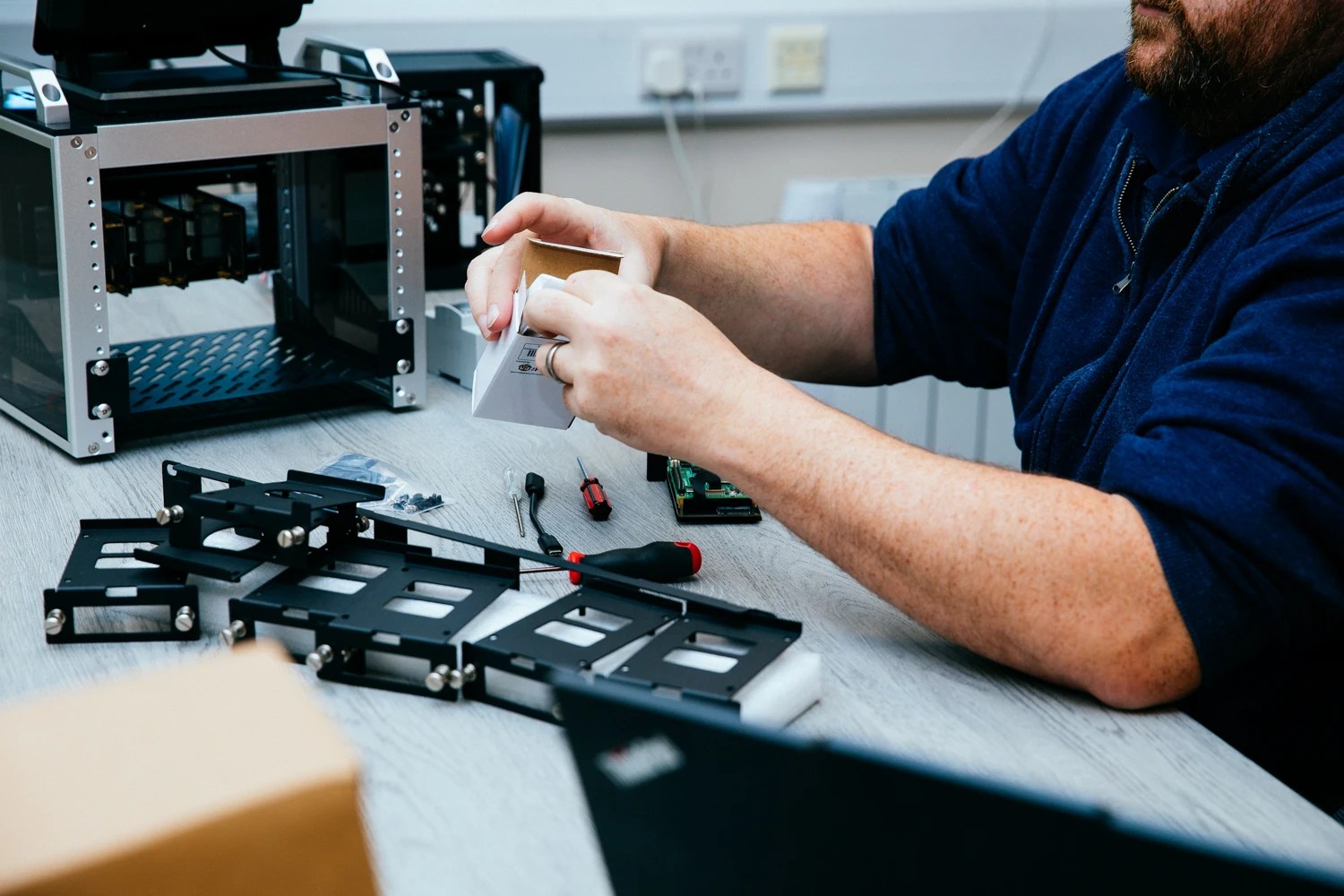
This new technology increases speed, speeds up processing and opens up opportunities for real time decision-making.
From Small Devices to Enterprise Systems
The Raspberry Pi’s popularity as a learning tool has been drastically transformed. While it was initially a tool for hobbyists, it is now used in real-world environments in industries such as logistics, manufacturing, and other smart environments.
With platforms such as ScalerPi companies can turn one device into a part of a bigger, integrated system. The Raspberry Pi cluster model for production allows several units to be connected and create an integrated system that can handle the most complex workloads.
This technique allows to grow from a small prototype to thousands of connected devices, all connected and working together.
Kubernetes at the Edge
Modern infrastructure is based on orchestration tools and containerized apps. Kubernetes is a very popular tool to manage these environments. However, running it on the edge presents new challenges.
An on-premise kubernetes solution provides a way to maintain control while still benefiting from the flexibility of container orchestration. Instead of relying solely on cloud service providers, companies can install and manage systems locally.
It permits a balance to be struck between performance and control. Organizations can then customize their infrastructures to suit particular operational requirements. ScalerPi bridges that gap by combining the hardware knowledge of ScalerPi with the latest software methods. This makes sophisticated deployments cheaper.
The Reasons Data Sovereignty is gaining importance
In the midst of increasingly complex regulations for data, businesses must be more aware of the data storage location that is stored and managed. In many instances the use of cloud services from outside providers raises concerns about compliance and control.
A cloud that is sovereign UK companies can use can help keep data inside national boundaries while still delivering high performance. This method guarantees that sensitive information is safe and in compliance with local laws.
Integrating edge computing into the sovereign infrastructure can enable companies to achieve flexibility and accountability. Data is stored closer to the point of origin but is still managed in an environment that is controlled.
Simple Deployments for Complex Systems
The administration of large numbers of devices is a major problem for edge computing. As deployments expand the need to maintain security, performance as well as consistency become more difficult.
ScalerPi offers a complete stack approach, which includes hardware supply and management and also consultancy. This model integrates all of the above and allows teams to focus on their applications rather than the infrastructure.
A solution for edge computing that UK businesses can trust should not need constant manual intervention. The solution must automate processes as well as monitor performance, and provide the reliability of all devices.
Building Systems That Scale With confidence
To scale from a single prototyping environment to a production environment, careful planning is required. Each stage brings new challenges, from hardware selection to software integration, and continual maintenance.
Through the creation of a standardized framework to grow, the Raspberry Pi production cluster use strategy will make the process more simple. The devices can be added or altered without affecting the overall system, which allows businesses to grow according to their own schedule.
This flexibility is especially beneficial for businesses that are experimenting with new technologies or are attempting to enter new markets.
Future driven by Flexibility and Control
In the future infrastructure will be open, flexible, and efficient. Companies don’t want remain confined to rigid systems that restrict their ability to innovate.
Tools like a kubernetes on-premise solution or a UK sovereign cloud service give organisations greater control over operations and data. These solutions, when paired with the scalability, flexibility and adaptability of Raspberry Pi clusters create an environment that can support the long-term expansion.
Moving forward with Edge Innovation
Edge computing has evolved into a viable solution to many of the issues we face today. The combination of affordable hardware with advanced software allows businesses to create efficient systems.
ScalerPi helps businesses bridge the gap between cloud technology and physical devices. Edge computing is now affordable for businesses of any size, thanks to its careful design and solid implementation.
As companies increasingly explore the potential distributed systems can provide, their capacity to scale effectively and safely will determine success in years to come.