
On the plate, a tortilla may seem fairly ordinary. It’s slim, easy to fold, and usually disappears beneath the wrap filling. Even so, your choice of wrap can change the nutritional balance of the final meal.
If you are looking at tortilla calories, a minimal energy value does not tell the whole story. It’s whether the wrap itself offers the nutrition, texture, and versatility needed for the meals you actually eat.
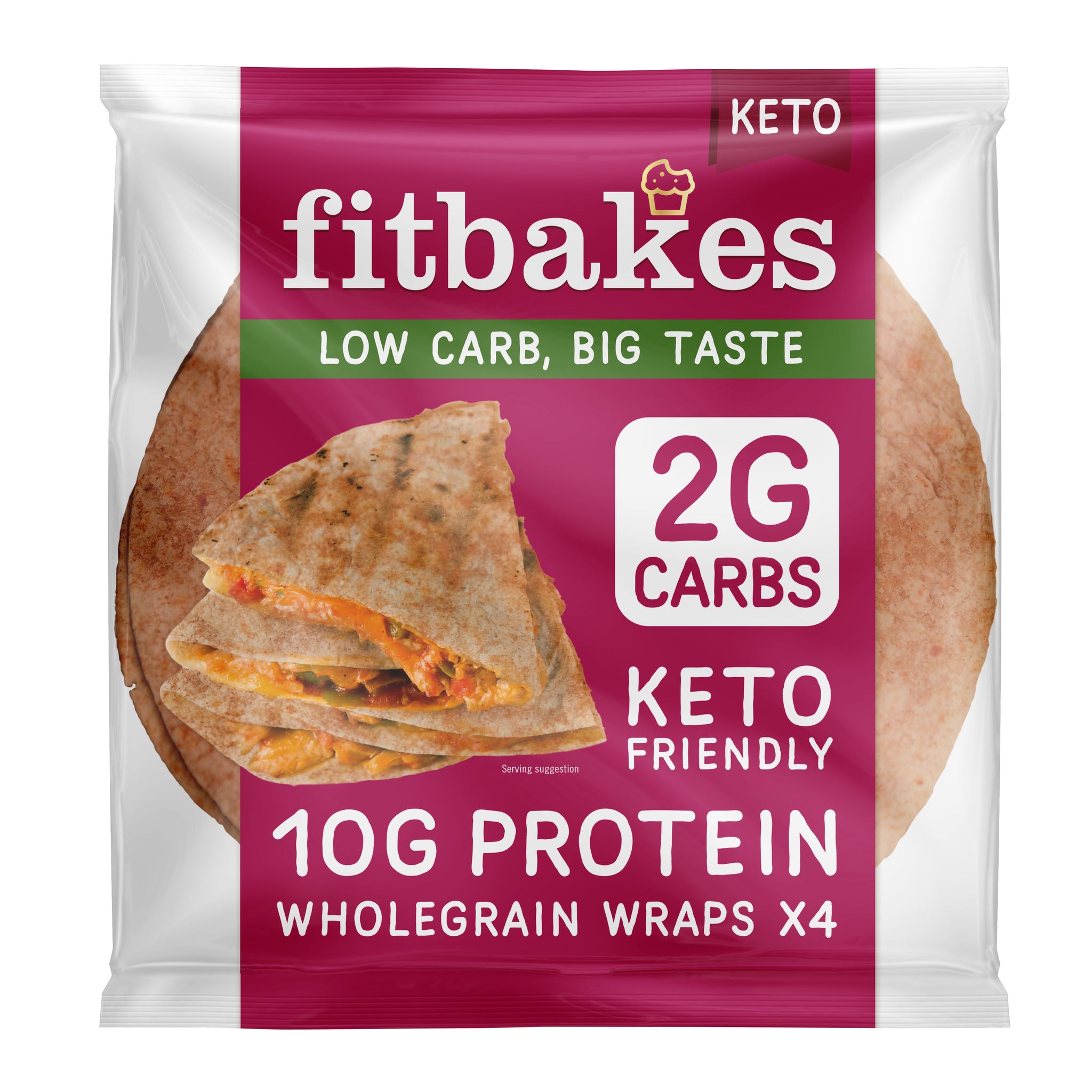
Image credit: fitbakes.co.uk
The Calorie Comparison Behind the Numbers
Results for “calories wrap tortilla” can show contrasting nutrition figures from one product to another. Consider the figures for Mission wraps: its Wholemeal Wrap has approximately 186 calories per wrap, compared with around 125 calories for Carb Balance. Both numbers are drawn from the manufacturer’s published nutrition details.
That difference illustrates why checking each specific product matters. Because wraps differ in size and recipe, you cannot judge their calorie content just by looking at them. Lower carbohydrate content and lower calorie content should not be treated as interchangeable.
What Happens When You Choose Another Wrap?
Think of a lunch made with grilled chicken, roasted peppers, salad leaves, and a touch of yoghurt dressing. Next, swap the standard tortilla for one designed as a lower-carb option. You still have essentially the same lunch, although its nutritional profile is different.
Fitbakes Wholegrain Wraps are formulated for this approach to familiar meals. According to Fitbakes, each wrap contains 2g carbohydrates alongside 10g protein and 10g fibre.
These figures make the wrap or loaf relevant to people who are reducing carbohydrates while still enjoying bread-based meals. The exact calorie content should be verified on the product’s full nutritional label.
Understanding The Roles of Protein and Fibre
Protein and fibre are frequently mentioned together on food packaging, but they serve different purposes in a balanced diet. Protein is an important nutrient for maintaining and repairing tissues. Fibre contributes to healthy digestion and can make it easier to a serving feel more satisfying. Because Fitbakes reports 10g protein and 10g fibre in each wrap, each nutrient deserve attention in a comparison.
Of course, the wrap is only one element of your lunch. A flatbread wrap filled with vegetables and a suitable protein source offers something different from one heavily dressed with rich sauces.
A Better Way to Serve Your Wrap
The way you cook a tortilla may change the finished lunch’s calorie total even if you use exactly the same wrap. Dry-toasting a filled wrap adds no cooking oil, whereas frying it in oil introduces more energy. Fitbakes recommends lightly toasting its wholegrain wraps for approximately 30 seconds to develop a deeper, malty flavour.
For a quick meal, try warming the wrap before adding grilled mushrooms, spinach, and a modest amount of cheese. You could also serve it like a thin flatbread, adding tomato and herbs alongside roasted vegetables. These serving ideas keep preparation simple while giving you different ways to use the same wrap.
Don’t Forget the Rest of Your Lunch
When comparing tortillas, you can become focused on the nutrition label and forget about the filling.
Ingredients such as cheese, sauces, spreads, and cooking oils influence the meal’s calorie content. For anyone tracking calories, it makes more sense to assess the full lunch than to focus on the wrap alone.
People eating fewer carbohydrates should also account for carbohydrates in the filling. Looking at all the foods used helps you see the nutritional picture more clearly.
Finding a Tortilla That Fits Your Meals
A useful calories wrap tortilla should work with your favourite recipes, suit your nutritional priorities, and be enjoyable enough to use regularly. For those seeking a plant-based, lower-carbohydrate alternative, Fitbakes Wholegrain Wraps come with manufacturer-reported protein and fibre values.
Before choosing any wrap, compare the complete nutrition information, ingredients, allergens, and serving size. The wrap showing the lowest number on the packet is not automatically the most useful choice. It’s the one that helps you prepare meals that suit your usual preferences.